
Ultimate Selection of Demolition Service Equipment and Accessories
Get insights into essential tools and machinery that support smooth and effective demolition workflows.
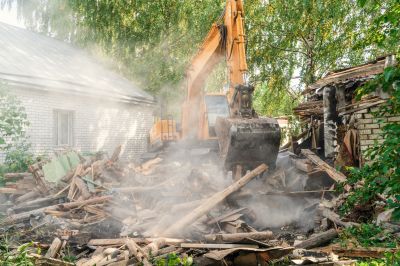 Demolition services in Evergreen, CO require a diverse array of tools and equipment to ensure efficient and safe project execution. From small-scale interior demolitions to large structural dismantling, having the right products can significantly impact the workflow and safety standards. Proper selection of demolition tools not only enhances productivity but also minimizes potential hazards on site. Whether working on residential, commercial, or industrial projects, understanding the variety of available equipment is essential for contractors and DIY enthusiasts alike.
Top Overall Option
Heavy-Duty Demolition Hammer
A versatile demolition hammer designed for breaking concrete, brick, and masonry with powerful impact force. It features ergonomic handling for prolonged use and adjustable settings to suit various materials and project requirements. Ideal for both professional contractors and serious DIYers, this tool can handle demanding demolition tasks while maintaining safety and control.
Types of Products For Demolition Service
Rotary Hammers
Powerful tools for drilling and chipping through tough materials like concrete and stone, often used in demolition projects.
Jackhammers
Handheld pneumatic or electric tools designed for breaking up concrete, asphalt, and other hard surfaces.
Demolition Saws
Heavy-duty saws such as concrete saws and cut-off machines used for precise cutting through masonry and steel.
Concrete Crushers
Machines designed to crush concrete and other debris into manageable sizes for removal or recycling.
Hydraulic Breakers
Attachment tools for excavators that deliver high-impact force to break through large structures and rocks.
Pry Bars and Crowbars
Manual tools for prying apart materials, removing nails, and dismantling structures.
Safety Gear
Protective equipment including helmets, gloves, goggles, and steel-toed boots essential for safe demolition work.
Dust Suppression Systems
Equipment designed to minimize airborne dust during demolition, improving site safety and visibility.
Lifting and Rigging Gear
Chains, slings, and hoists used for lifting heavy debris and structural components safely.
Vacuum and Debris Removal Systems
Tools and machines for efficiently cleaning up demolition debris from the site.
Portable Generators
Reliable power sources to operate electric demolition tools in locations without grid access.
Wire and Cable Cutters
Tools for safely cutting through electrical wiring and cables during demolition.
Scaffolding and Support Structures
Equipment to provide safe access and support for workers during demolition of multi-story buildings.
Water Blasters
High-pressure water systems used for cleaning surfaces and removing debris.
Vibratory Plate Compactors
Machines used for compacting soil or debris after demolition to prepare for new construction.
Popular Choices
Widely used for their portability and ease of handling in various demolition tasks.
Battery-powered equipment offering mobility and convenience for working in tight or remote spaces.
Lightweight and versatile saws suitable for precise cuts in concrete and masonry.
Popular for their durability and power in heavy-duty demolition scenarios.
Essential hand tools for prying apart materials and removing fasteners.
Devices designed to capture dust at the source, improving air quality during demolition.
Standard protective gear to safeguard workers from falling debris and impact hazards.
Equipment used for surface cleaning and debris removal in demolition sites.
Tools to temporarily stabilize structures during partial demolition.
Lighting solutions for work sites with limited visibility or during nighttime operations.
Straps used to lift and move large debris or structural components safely.
Protective gloves designed to withstand cuts and abrasions during demolition activities.
Mats used to reduce vibration impact on workers during prolonged use of power tools.
Reliable power sources for electric tools, especially in remote demolition sites.
Footwear that provides protection against falling objects and heavy debris.
In demolition work, safety gear is paramount. Protective apparel such as helmets, gloves, goggles, and steel-toed boots help safeguard workers from debris and accidents. Heavy machinery like excavators and bulldozers are often employed for larger projects, but hand tools remain indispensable for detailed or delicate demolition tasks. Power tools, including jackhammers and rotary hammers, facilitate breaking through concrete, brick, and other tough materials with relative ease.
Choosing the appropriate products depends on the scope of the project, the materials involved, and safety considerations. Durability and ease of use are critical factors, alongside compatibility with other equipment. Investing in high-quality tools can lead to smoother operations and potentially reduce long-term costs associated with repairs or replacements. For those working in Evergreen, CO, selecting reliable and versatile demolition products ensures projects are completed efficiently while maintaining safety standards.
Key Buying Considerations
- Project scope and scale to determine the appropriate size and power of demolition tools.
- Material types involved in the demolition, such as concrete, brick, or steel, influencing tool selection.
- Safety features included in tools, such as vibration reduction and ergonomic design.
- Durability and build quality to withstand demanding demolition environments.
- Ease of use and handling, especially for manual tools and lightweight equipment.
- Power source compatibility, including electric, pneumatic, or battery-operated options.
- Availability of replacement parts and accessories for ongoing maintenance.
- Site-specific requirements such as dust control, noise levels, and space constraints.
- Budget constraints balanced with the quality and safety features of the equipment.
- Compliance with local safety regulations and standards for demolition work.
- Portability and storage considerations, especially for equipment used in multiple locations.
- Compatibility with existing tools and machinery on site.
- Environmental conditions, such as weather or terrain, that may impact equipment choice.
- Training and safety protocols necessary for operating specialized demolition tools.
- Availability of technical support and customer service from suppliers.